Ravilious in Pictures: Sussex and the Downs
The chalk downland of southern England inspired Eric Ravilious to produce some of his
finest paintings. Raised in Eastbourne, he rediscovered the South Downs in 1934 and
over the next five years painted a series of watercolours that capture the beauty and
mystery of this unique landscape.
Twenty-two of these stunning paintings are featured in a new, 48 page hardback
book 'Ravilious In Pictures: Sussex and the Downs'. This, the first in a series
of books celebrating the watercolours and landscapes of Eric Ravilious, is now available
from the Mainstone Press, priced at £25.00 plus £7 carriage.
Each painting is accompanied by a short essay in which author James Russell explores
the intriguing stories hidden behind the scenes – stories about Ravilious and his circle,
English culture in the 1930s and the constantly evolving landscape in which Ravilious
chose to work. As a whole, the essays paint a captivating portrait of this popular
English artist.
To order a copy please email the Mainstone Press -
|
 |
Eric Ravilious: The Story of High Street
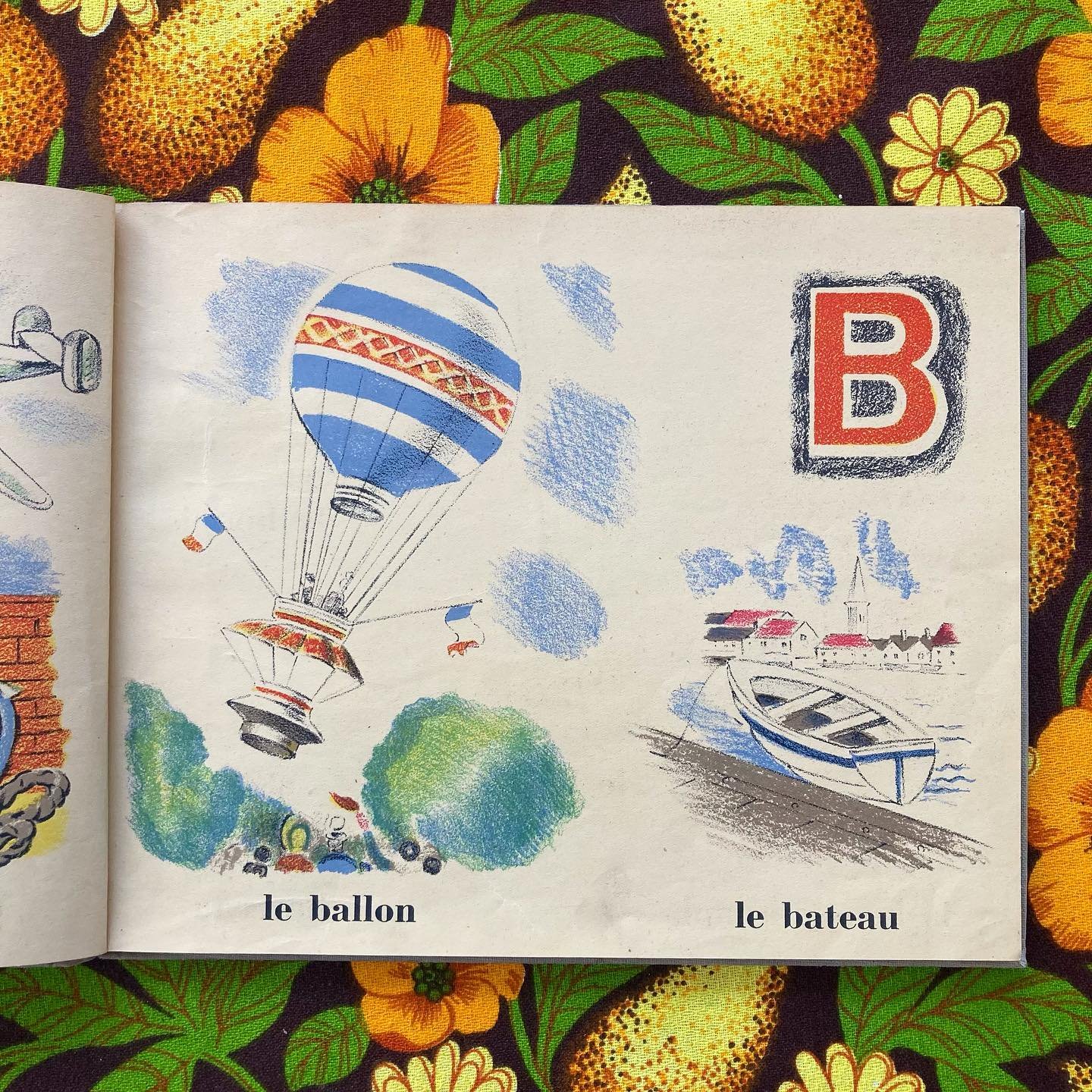
Seventy years ago Country Life Books published High Street, a children's book
of shops, featuring twenty-four exquisite lithographs by the English artist
Eric Ravilious (1903-1942). Although the book was not a limited edition, the
destruction of the lithographic plates during the Blitz meant that only 2000
copies were ever printed. Subsequently High Street has become one of the most
highly-prized artist's books of its time, indeed so great is the demand for
work by Eric Ravilious that damaged copies are often taken apart and the plates
sold individually as prints.
In this context the Mainstone Press is pleased to announce the publication, in
early December 2008, of The Story of High Street. This new limited edition
includes not only the original shop fronts and text of High Street but also two
extensive essays and an eclectic range of illustrations, preparatory drawings
and sketches, many of them published for the first time.
In a substantial and wide-ranging examination of the making of High Street,
art historian Dr Alan Powers places the book in historical context, giving new and
significant insights into its conception, production and publication.
Initially Ravilious approached the Golden Cockerel Press with his 'alphabet of shops',
but the book, with text by J.M. Richards, was eventually published by Noel Carrington,
brother of the artist Dora Carrington and editor at Country Life Books. His enthusiasm
for autolithography and children's books - he also launched the famous Puffin Picture
Book series - made him the ideal publisher for High Street, although Ravilious
also benefited from the invaluable support of the Curwen Press.
In the second essay, writer and historian James Russell describes a quest to identify
and locate each of the shops depicted by Ravilious. These twenty-four businesses were,
as J. M. Richards pointed out in the foreword to the 1938 book, all real places, but
in many cases we are given only tantalising clues as to their name or location. So where
were they, those shops that, more than any other, attracted the artist's attention? Do
they still exist?
You can still buy cheese at Paxton and Whitfield, a shop that has changed little in
appearance over the years, but in most other cases the quest has proved much harder,
and more rewarding. Each shop, it soon transpires, is a gateway that will lead us into
a new realm of historical, biographical or artistic discovery, as we follow the clues
left by artist, writer and friends.
In The Story of High Street we trace the journey Ravilious took to create his
idiosyncratic masterpiece, discovering the people he met on the way and finding out what
became of the shops themselves. Although we do not know whether Ravilious intended to
create a historical document, he nevertheless left us with a brightly coloured snapshot
of England on the eve of World War Two, a unique portrait of a nation of shopkeepers.
Exploring the fate of his twenty-four shops, The Story of High Street offers
an intriguing commentary on that nation's subsequent history.
BOOK SPECIFICATIONS
A limited edition of 750 copies
265 x 195 mm
288 pages
Full cloth binding with a decorative label
Publication 8 December 2008
ISBN: 978-0955277726
£160 + carriage
|
 |
Away we go!
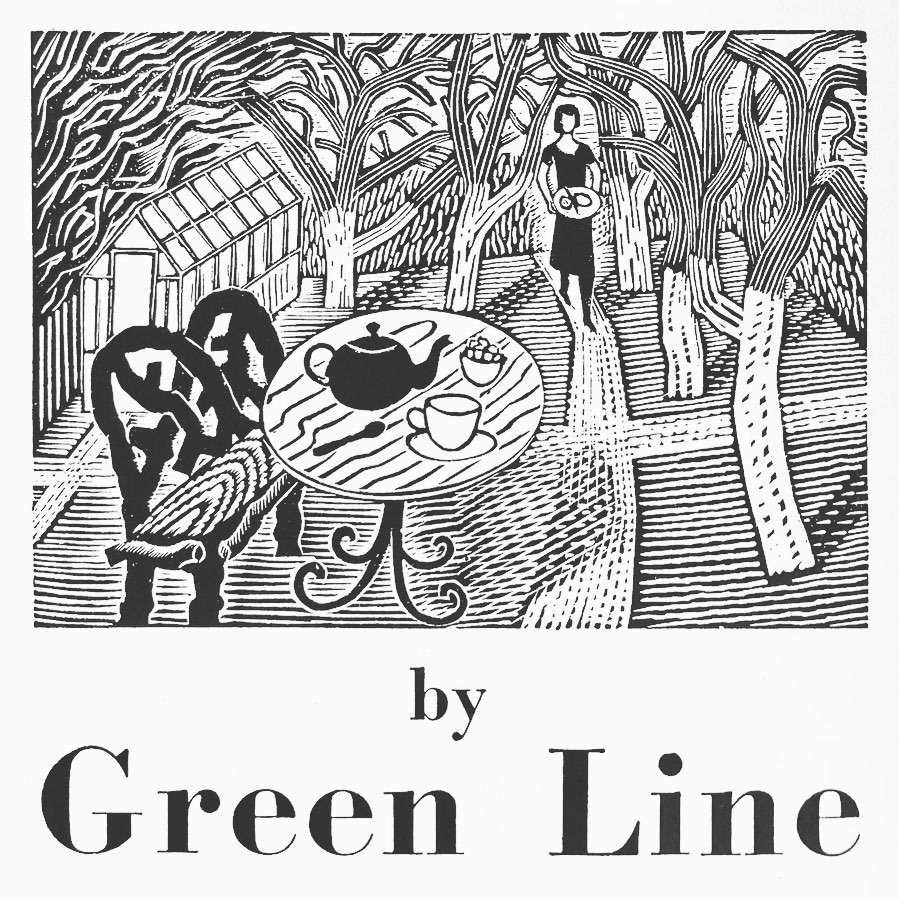
Away we go! examines the stunning black and white illustrations produced
by Ravilious and Bawden for London Transport's Press Advertising Department
in the 1920s and 30s. Their work was used to promote a variety of cultural,
sporting and leisure activities, all of which could be reached by
Underground or Green Line coach. Away we go! has been designed by Brian Webb
and displays all the Ravilious and Bawden press advertisements at full size.
Two informative essays accompany the many illustrations, one by Oliver Green,
Head Curator of London's Transport Museum and the other by Art Historian,
Dr Alan Powers.
BOOK SPECIFICATIONS
330 x 168 mm
48 Pages RRP £20.00
170 gsm uncoated stock
Decorative yellow wraps
ISBN: 0-9552777-0-1
|
 |
Entertaining Á La Carte
Edward Bawden and Fortnum & Mason
As Fortnum and Mason celebrates its tercentenary, a new book from The
Mainstone Press brings together the advertising material that Bawden
illustrated for the firm in the years before and after World War II. Full
of joie de vivre, this stunning body of work includes catalogues, brochures,
order forms and envelopes, all of which are now highly prized by collectors
of Bawden's work and Fortnum's ephemera.
To set the illustrations in context, the book begins with an engaging essay
by Peyton Skipwith, a former Director of The Fine Art Society and a good
friend of the artist. Peyton discusses the relationship between Fortnum & Mason
and its most famous artistic champion, exploring both the history of the firm
and the artist's career.
Limited to 1000 copies.
BOOK SPECIFICATIONS
340 x 245
Hardback - Fill cloth
128 Pages
RRP £90.00
170 gsm stock
ISBN: 978-0955277719
|
 |
Limited Edition Prints
Two watercolours by Eric Ravilious, from the collection of London's Transport
Museum, have been published as limited edition prints by The Mainstone Press.
In 1937, Christian Barman, London Transport's Publicity Officer, asked Ravilious
to produce ideas for a poster promoting travel to Greenwich. Ravilious submitted
two watercolours - one depicting the Observatory at Greenwich and the other, a
nocturnal scene of Greenwich Pier. Although London Transport purchased both works,
neither image was used due to the start of the Second World War.
London Transport has granted permission for The Mainstone Press to publish each of
these watercolours in a limited edition of 500 copies. Each edition is printed on
100% cotton, 320 gsm Somerset mould-made paper. Both prints have an image size of
19.5 x 27 cms and will be numbered by hand and presented in an acid-free mount measuring
30 x 40 cms. Each mounted print is available at £75.00 + £5 postage and
packaging. Please contact the Mainstone Press for further details.
|